Old Town Trail
Leicester’s Old Town Trail invites you to step back in time and stroll through the heart of the city’s fascinating past.
-
40 MinutesEstimated duration
-
1.5 MilesLength
-
EasyGrade
-
History and HeritageType
Route Waypoints
1. Wire Fox
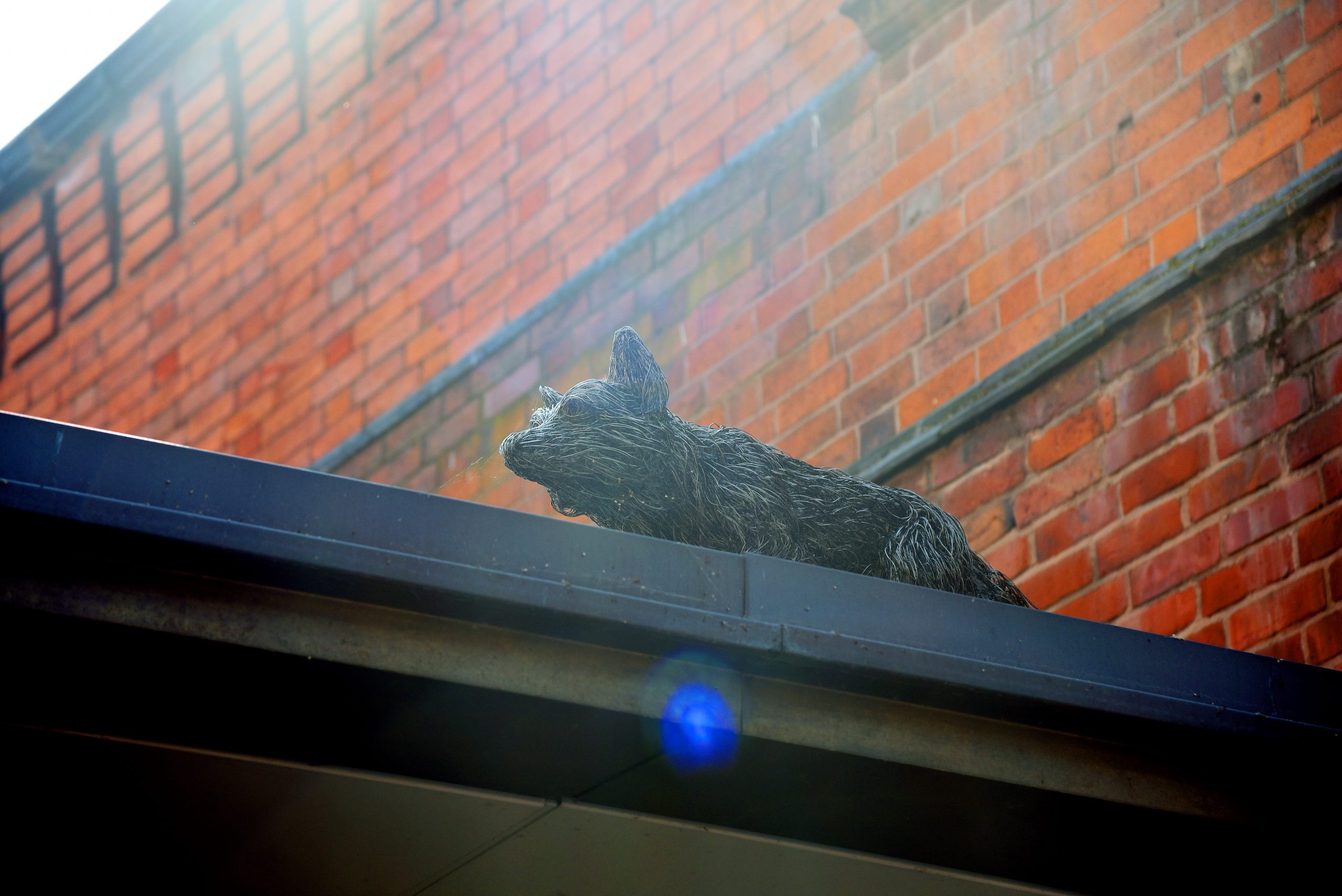
The fox – an animal inextricably linked to Leicester’s identity. This life-size steel wire sculpture of a fox on the move is one of three installed on buildings in the city centre.
Created by award-winning artist, Candice Bees, winner of the David Shepherd Wildlife Artist of the Year award in 2016, the vulpine sculptures depict the fox in a range of dynamic poses. Look out for the other two foxes on the roof of the Corn Exchange building in Market Place and at LCB Depot in the Cultural Quarter.
2. King Richard III Statue
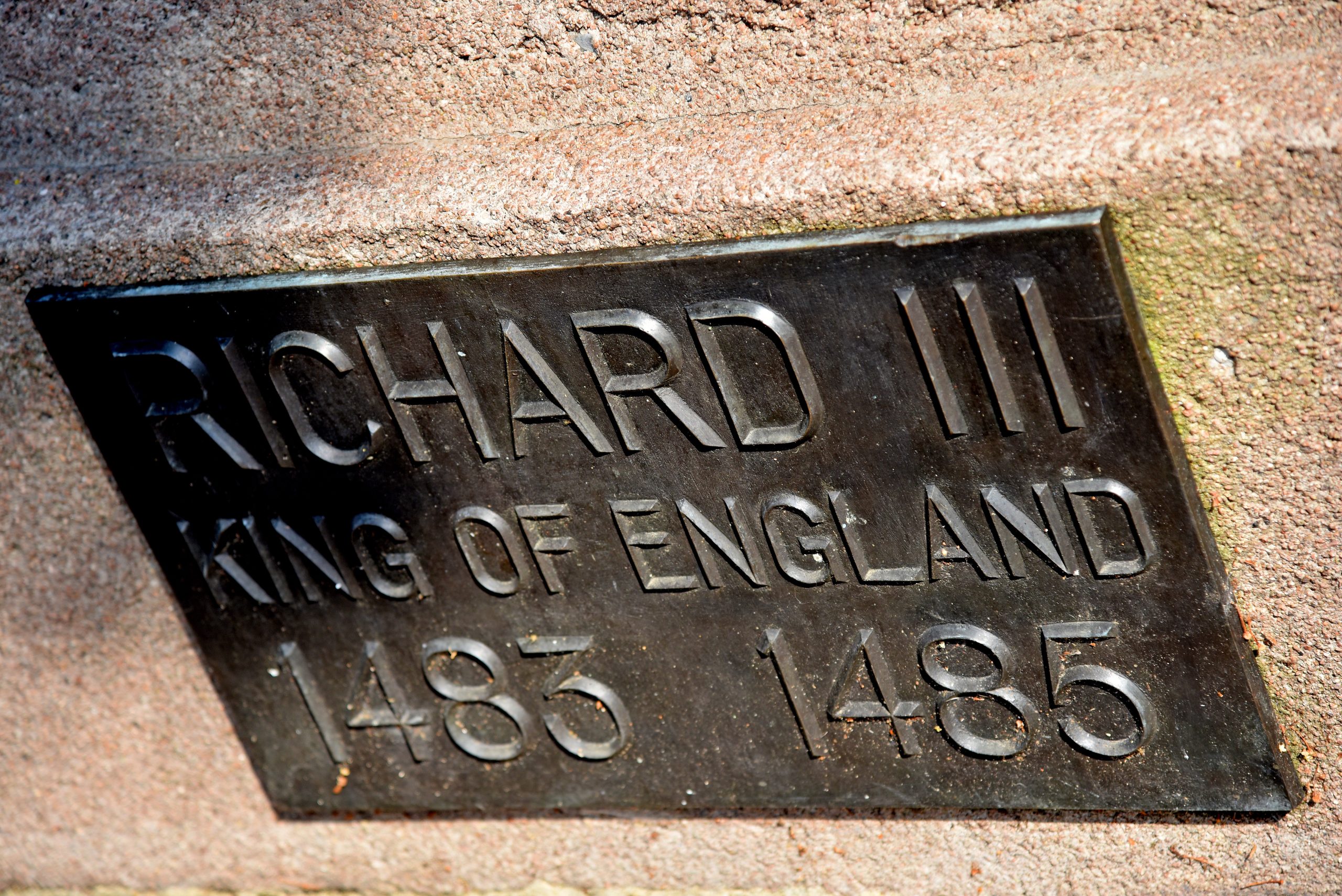
In August 2012, during an archaeological excavation in a Leicester City Council car park a remarkable discovery was made: the skeletal remains of King Richard III. The blend of dark historical deeds and modern detective work captured people’s imaginations around the world and re-wrote the history of a monarch whose grave had been lost for over 500 years.
The statue was donated to the city by the Richard III Society in 1980 and was reinstated in the Cathedral Gardens as part of a £2.5m regeneration project in 2014. It stands near to where the king’s remains were found under a car park and his final resting place at Leicester Cathedral.
3. Alderman Newtons School
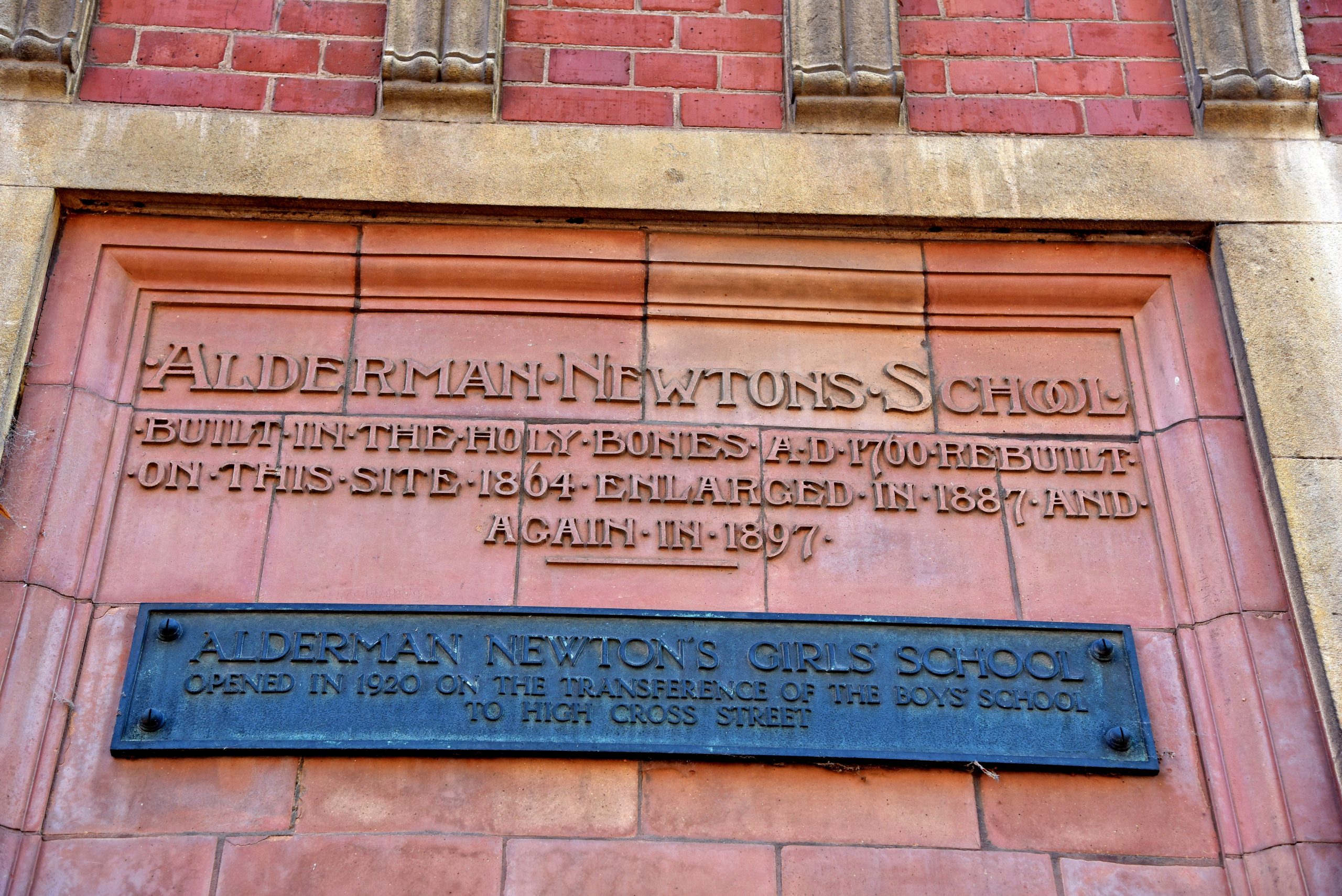
Gabriel Newton was born in 1683 and spent most of his life working in local government in Leicester. In 1726 he was made an Alderman.
Newton is one of the four statues featured on the Clock Tower. The grammar school’s former Greyfriars location now houses the King Richard III Visitor Centre.
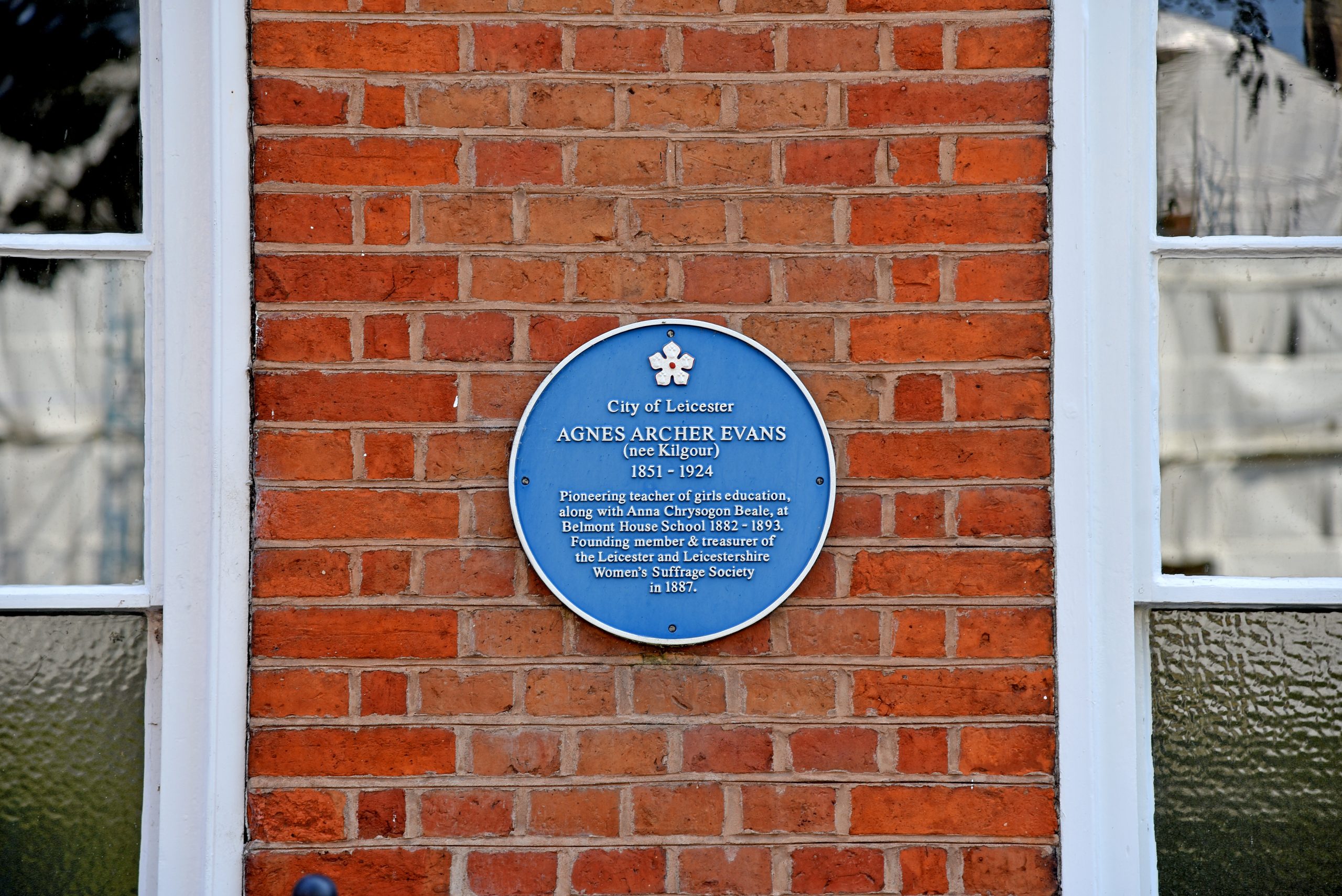
4. Agnes Archer Evans Blue Plaque
In 1882 Agnes became headmistress of the Belmont House School in Leicester with Anna Chrysogon Beale. She married wealthy corn miller, William Evans, in 1895 and came to live at 6 St Martins. She was governor of Wyggeston Girls’ School and a teacher at and later governor of Vaughan Working Men’s College.
In 1887 she became the founding joint secretary of the Leicester and Leicestershire Women’s Suffrage Society with Anna Beale and in 1897 co-founded the local branch of the National Union of Women Workers later campaigning for the formation of a Leicester Health Society.
5. Alice Hawkins Statue
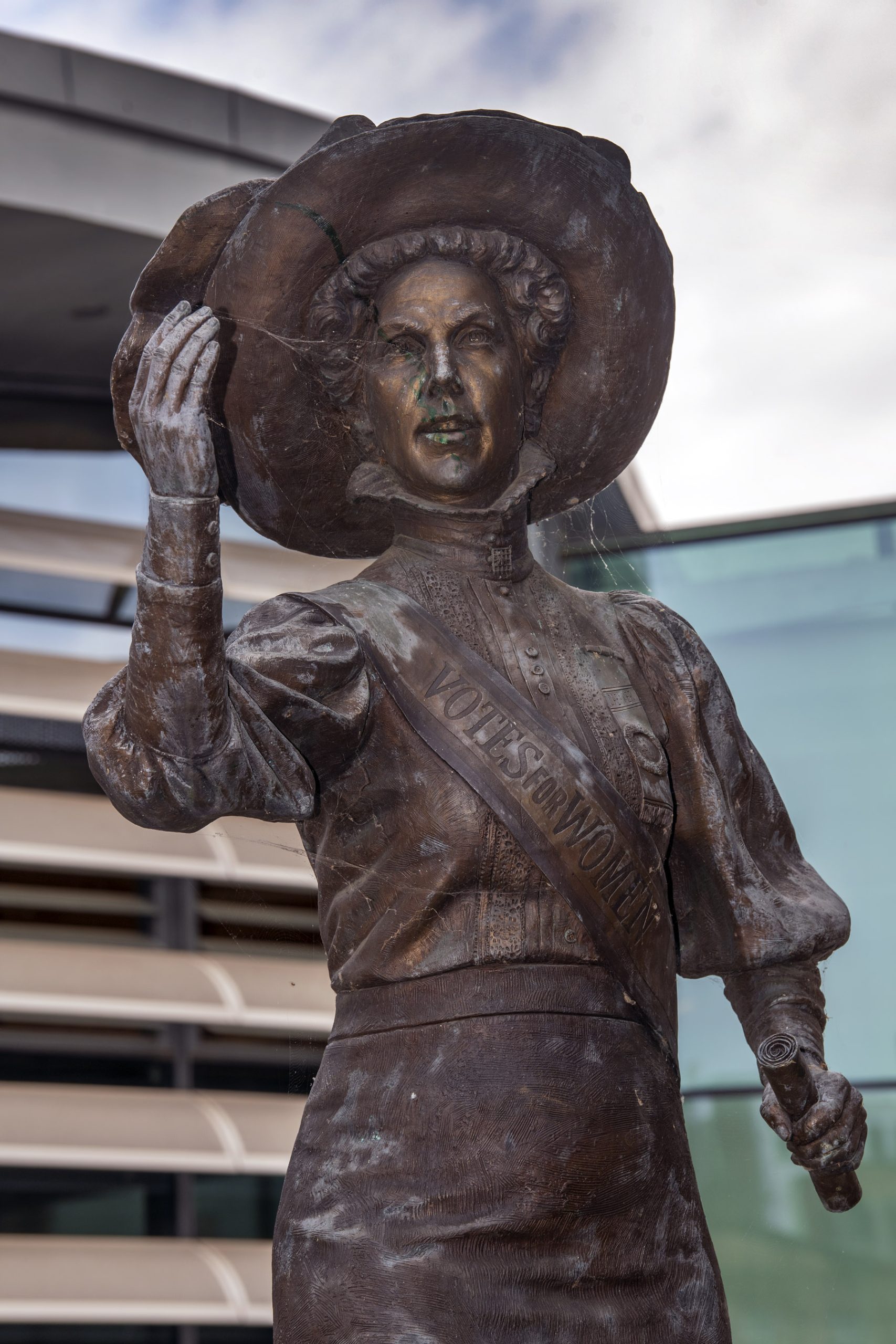
Alice Hawkins was a leading suffragette among the shoe machinists of Leicester. She was born in 1863 in Stafford into a working-class family. After leaving school at the age of thirteen, she began working as a shoe machinist and spent many years employed at Equity Shoes in Leicester.
Her legacy is commemorated by a statue unveiled in 2018 in Green Dragon Square, marking the centenary of women gaining the right to vote. The 7-foot, 800-pound bronze sculpture, created by Sean Hedges-Quinn, was the county’s first statue of a named woman. It depicts Hawkins addressing a crowd with her arm raised, near the very spot where she spoke to supporters during the suffragette movement.
6. Royal Arcade
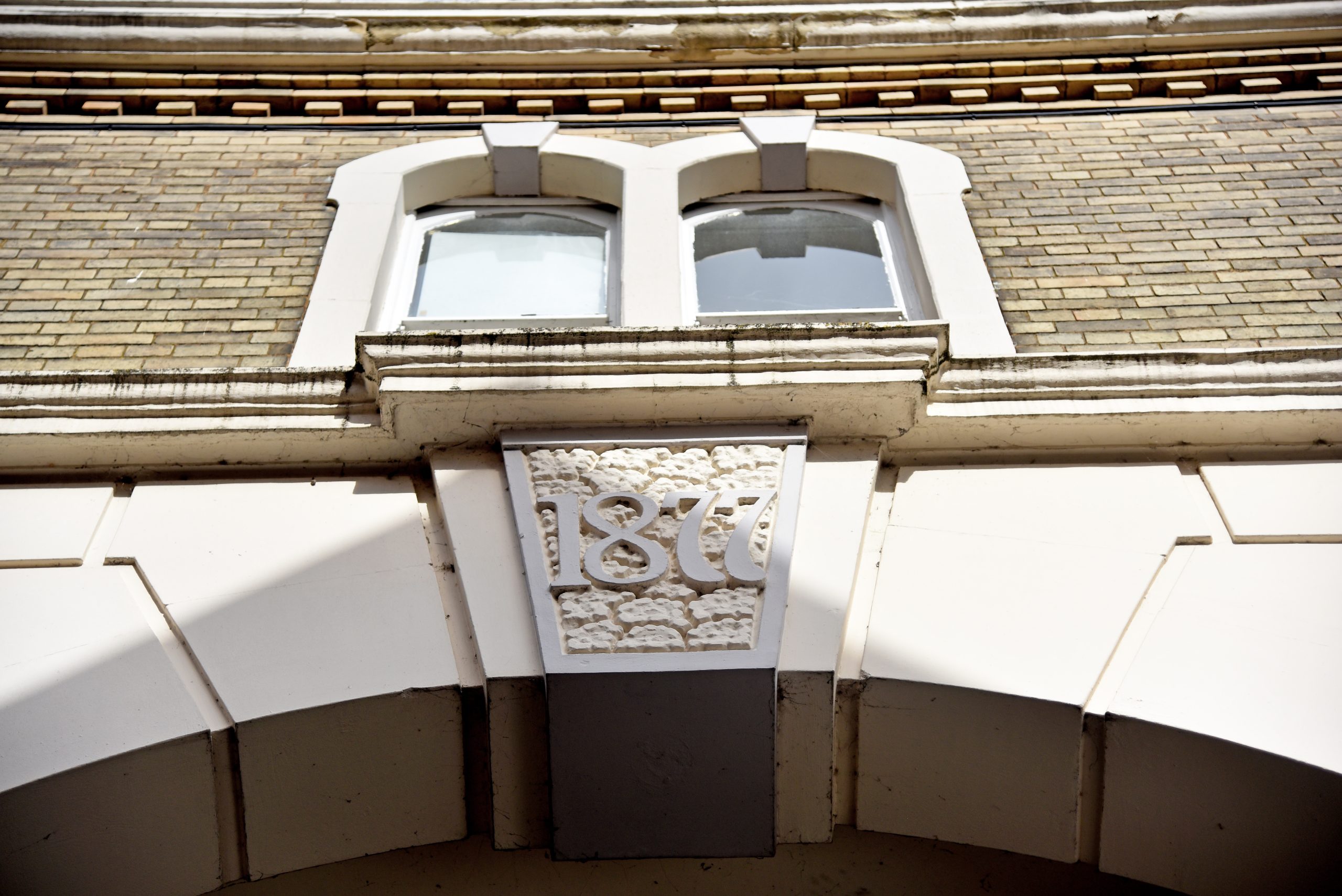
The Royal Arcade, Leicester’s oldest shopping arcade, first opened in the spring of 1878. It is noted for its elegant rendered brick building with mock half-timbering and large oriel windows, described a ‘Nuremburg Gothic’.
In the course of laying the foundations, various remains of Roman pottery were found deep in the ground under where the arcade is today. Joseph Timson, who had the arcade built, ran a hotel and boarding house on two corners of the arcade when it first opened, with a lunch bar and restaurant too. However, when he applied for a licence to serve alcohol with the meals, the people involved in the Temperance movement in Leicester raised concerns about the risk of drunkenness, convincing the council not to grant the licence.
7. Jewry Wall – a Real Roman Experience
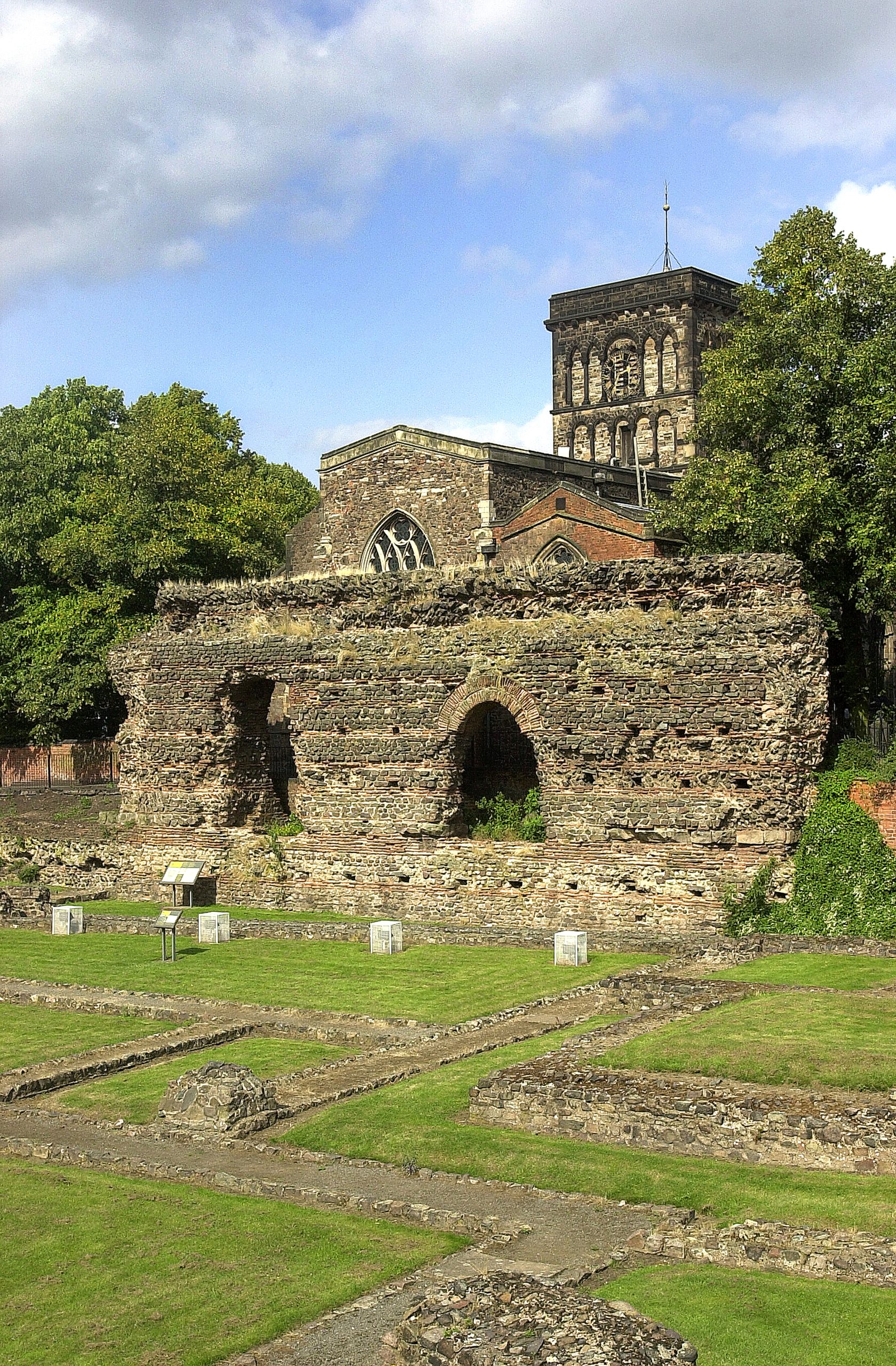
Today, the only visible in-situ reminder of Roman Leicester is the Jewry Wall. Measuring 23m long, 9m high and 2.5m thick, it is among the largest surviving Roman masonry in Britain.
Since medieval times, it was thought to be part of a temple to Janus, though its purpose was debated. It was excavated in the late 1930s by pioneering archaeologist Dame Kathleen Kenyon revealing it formed part of a large Roman bath complex, not the towns forum as believed. Her pioneering work marked Leicester’s first major archaeological investigation of Roman Leicester leading to decades of further discoveries.
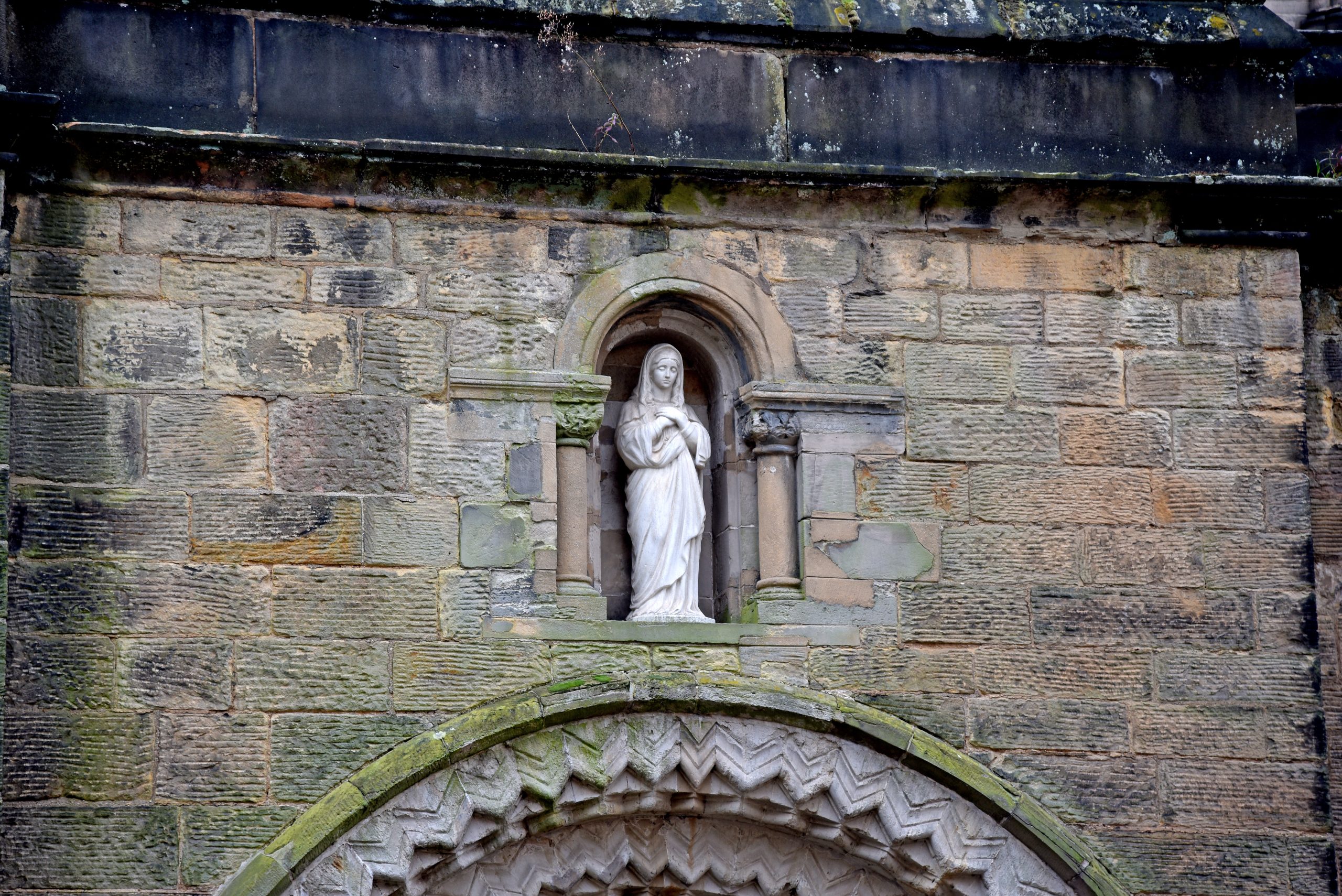
8. Statue above the Norman doorway at St Mary De Castro Church
St Mary de Castro is entered today through the Norman north door, rebuilt in the 15th century when the north aisle was added.
Founded in 1107 by Robert de Beaumont, it stands within Leicester the precinct of the Royal Castle of Leicester and is the city’s second oldest church. John of Gaunt, Earl from 1377–1399 and patron of Geoffrey Chaucer, was linked to the church, where Chaucer likely married his second wife Phillipa de Roet. Richard III visited in 1484 and would have entered through the north door.
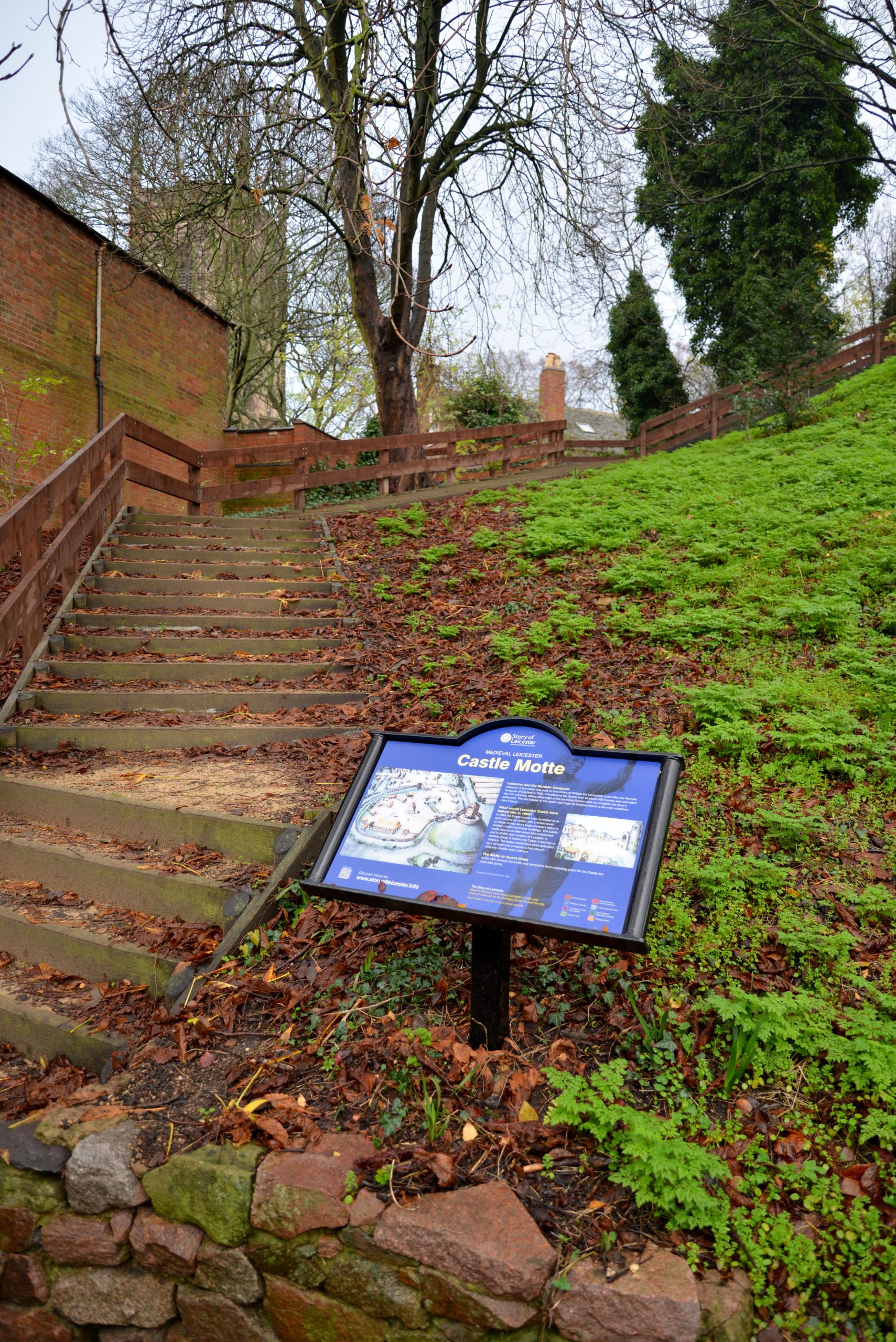
9. Castle Motte
Leicester’s first castle was built on the orders of William the Conqueror soon after the Norman conquest of England in 1066. It dominated the Saxon town of about 400 houses and controlled the river crossing, taking advantage of the surviving Roman walls to complete the town’s protection.
The park is the perfect stop for heritage lovers – set in the heart of the former medieval city, the area around the park includes the Great Hall of Leicester Castle as well the medieval castle motte. The motte can still be viewed and is accessible by a public footpath and steps from the park.
The gardens are the ideal place to amble amongst beautiful flowerbeds and lawn, rest your feet on a bench or enjoy a picnic overlooking the canal.
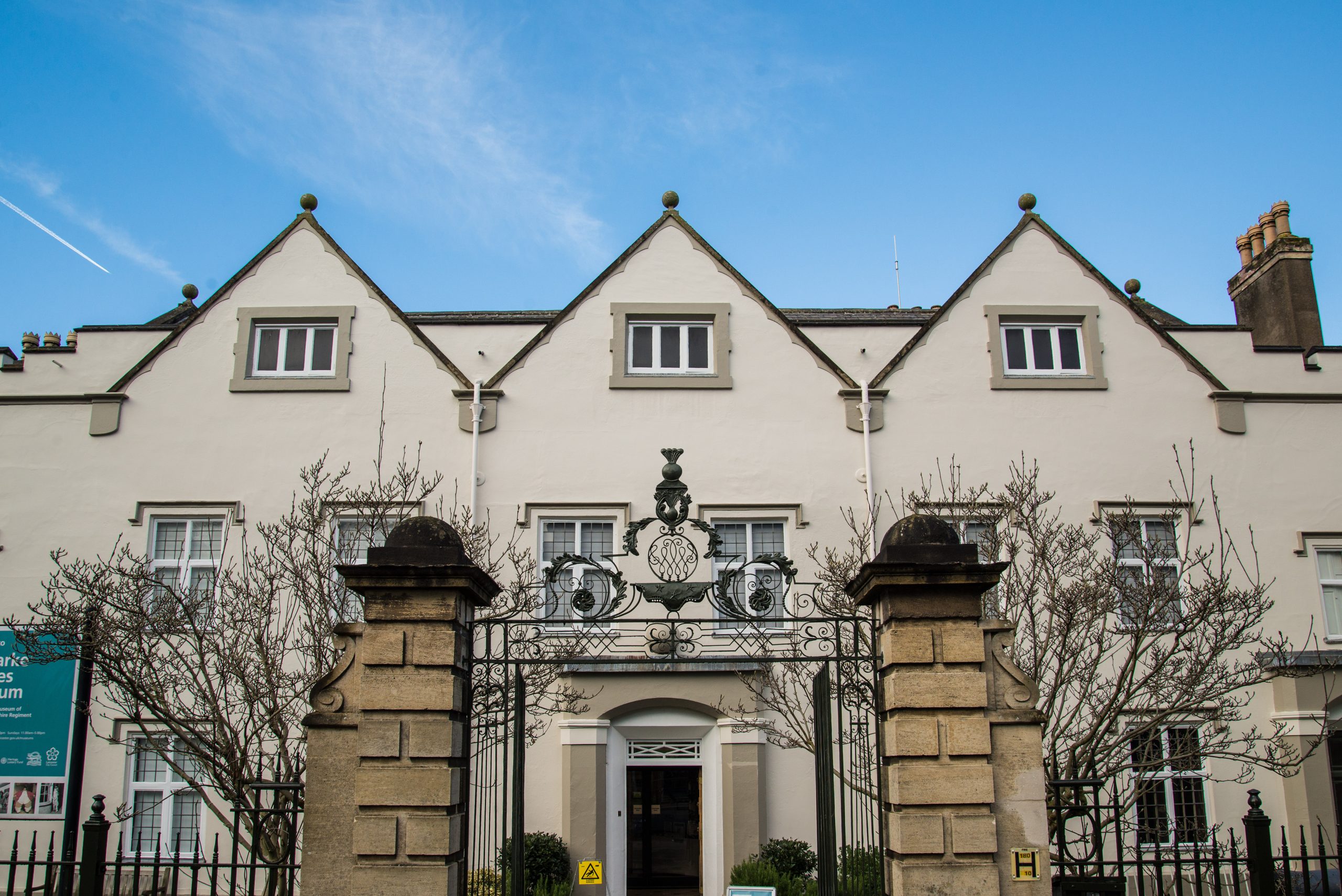
10. Newarke Houses Museum – Ornate wrought iron gates
Skeffington House (now part of Newarke Houses Museum) was built in 1560 and is named after Thomas Skeffington, sheriff of Leicester.
The house was substantially altered around 1710 by William Wright, Recorder of Leicester, when this ornate gate and overthrow were added to the front entrance.
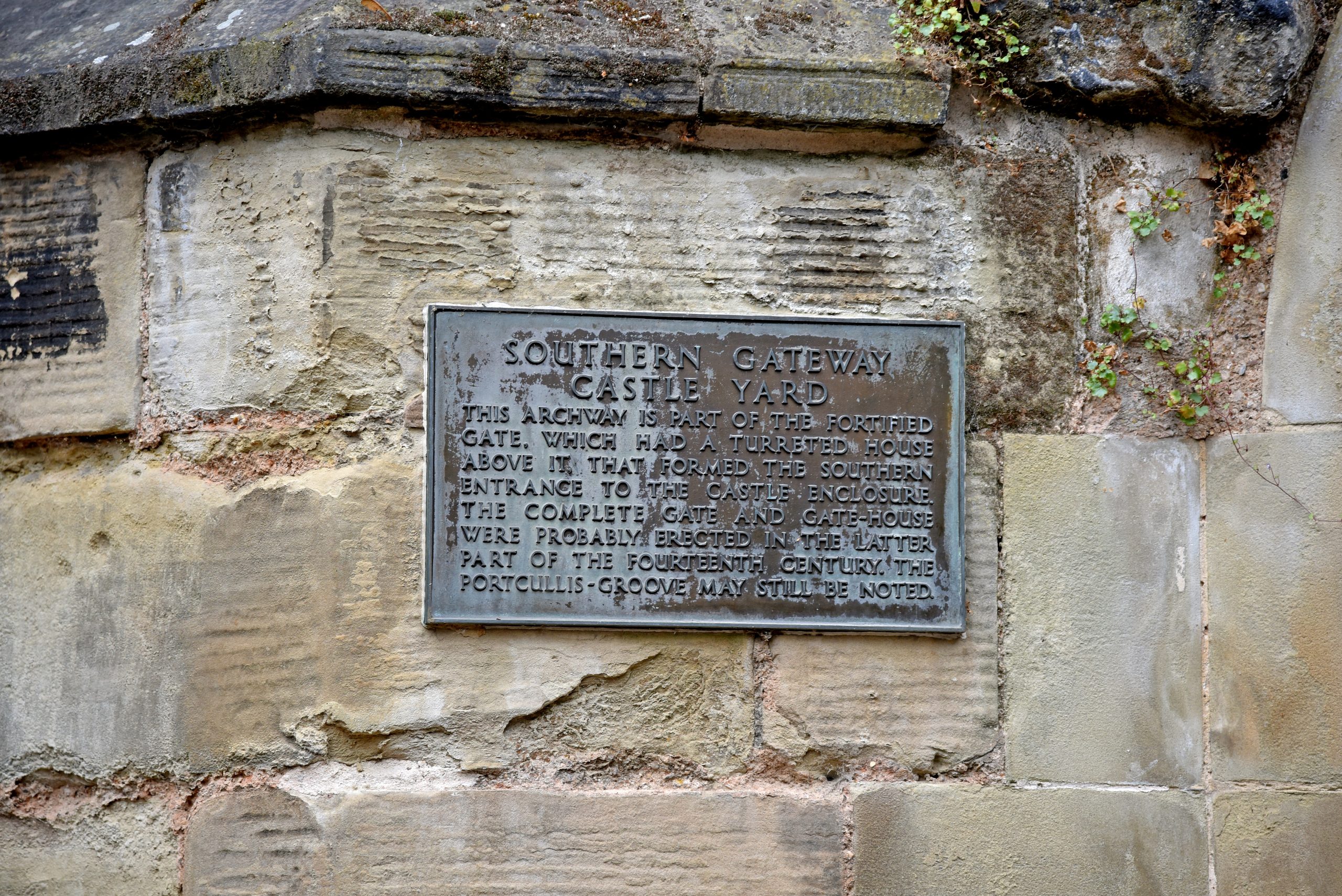
11. The Newarke Gateway
The Newarke Gateway dominates the western end of Newarke Street and is one of Leicester’s finest surviving medieval buildings.
Built around 1400, it formed a grand entrance into the religious precinct of the College of the Annunciation of the Blessed Virgin Mary, known as the Newarke. Constructed from local sandstone, it has three floors, the large and small arches would have allowed separate vehicular and pedestrian access.
The ground floor housed the porter’s lodge, while upper floors, reached by a spiral staircase in a turret, provided accommodation for guests and staff.
12. Former Mill in City Centre
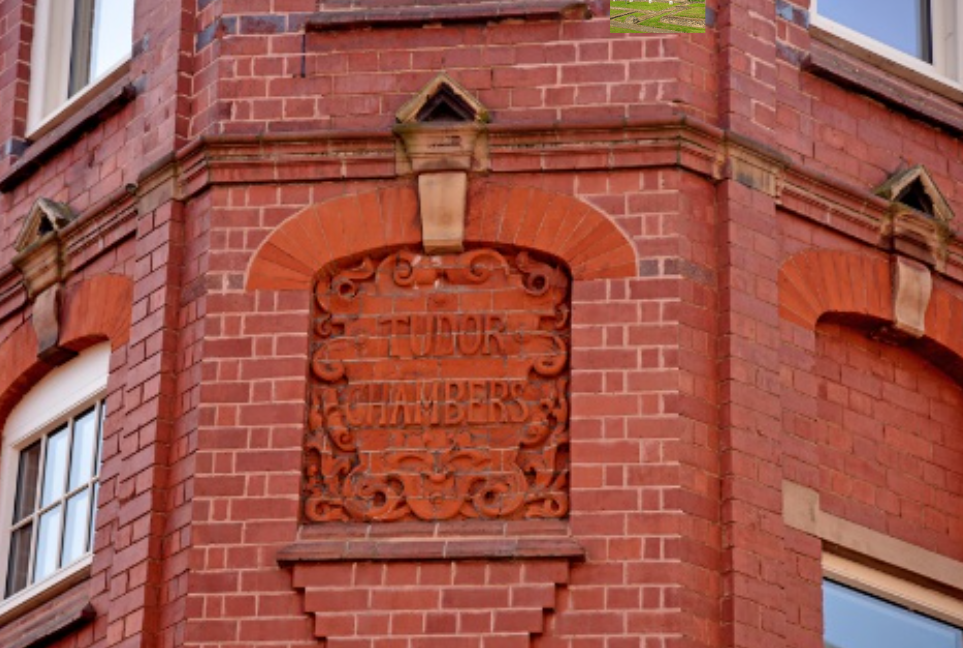
25 Millstone Lane, on the corner with Marble Street in Leicester, is a three-storey former hosiery factory marked by a moulded brick panel on the facade dated 1900, reflecting the industry’s strength.
Now part of the Greyfriars residential area, it has been converted into student accommodation while retaining the name “The Hosiery Factory.” Restoration was supported by the Greyfriars Townscape Heritage Initiative. Work included reinstating timber sash windows, repairing brickwork, and cleaning decorative features, including the “Tudor Chambers” datestone, preserving its industrial character.
13. Greyfriars Townscape Heritage Initiative
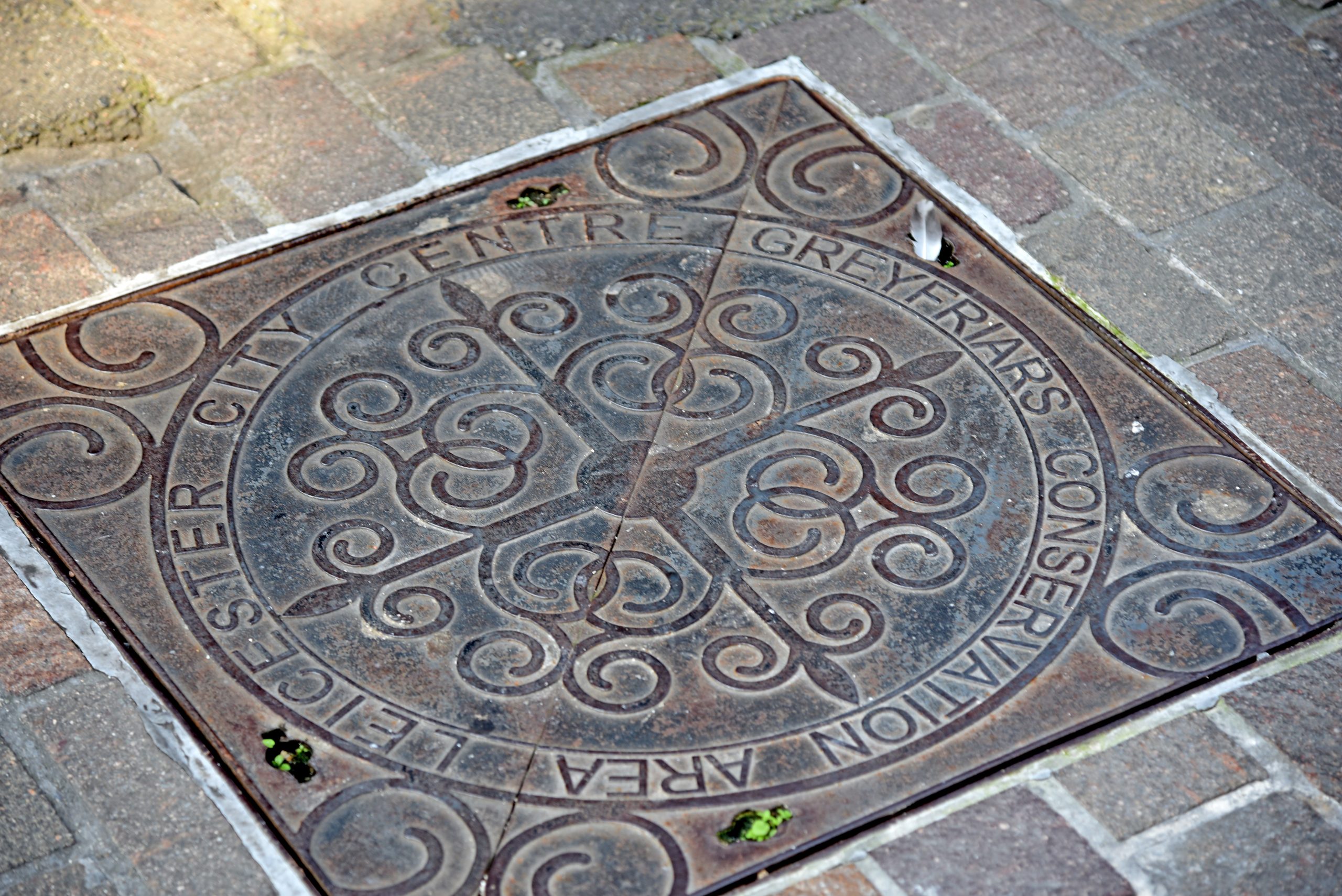
The Greyfriars Townscape Heritage Initiative (THI) was a £3.1 million scheme funded by the Heritage Lottery Fund, Leicester City Council and private march funding.
Over a five year period, thirty buildings in the Greyfriars Conservation Area were restored and regenerated, 5,000 square metres of public realm improved and 3,000 people engaged in events, training and tours. Overall private sector construction investment in the THI area over the duration of the project is estimated at over £10 million. As part of the scheme, Greyfriars has it’s own bespoke design manhole covers. For further information about the scheme, please visit: greyfriarsheritage.org.uk.
14. Yetta Frazer Blue Plaque
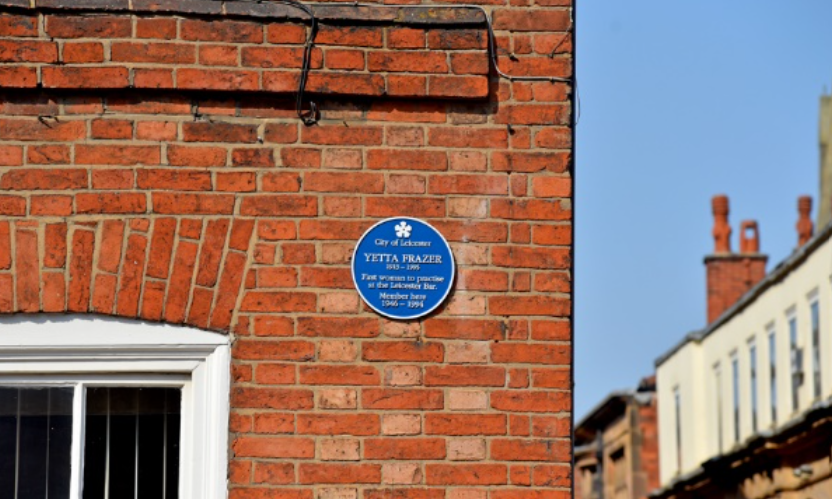
Yetta Frazer (1913–1995) was the first woman to establish a practice at the Leicester Bar, spending nearly 50 years at 2 New Street Chambers from 1945 until shortly before her death. Known as a feisty and forthright advocate, she inspired generations of women lawyers.
The eighth child of Russian-Jewish immigrants Solomon Levitan and Elizabeth Perlston, she overcame societal and professional barriers in the 1940s. Frazer’s pioneering career and enduring character made her a respected role model and trailblazer in law.
15. The Grotesques
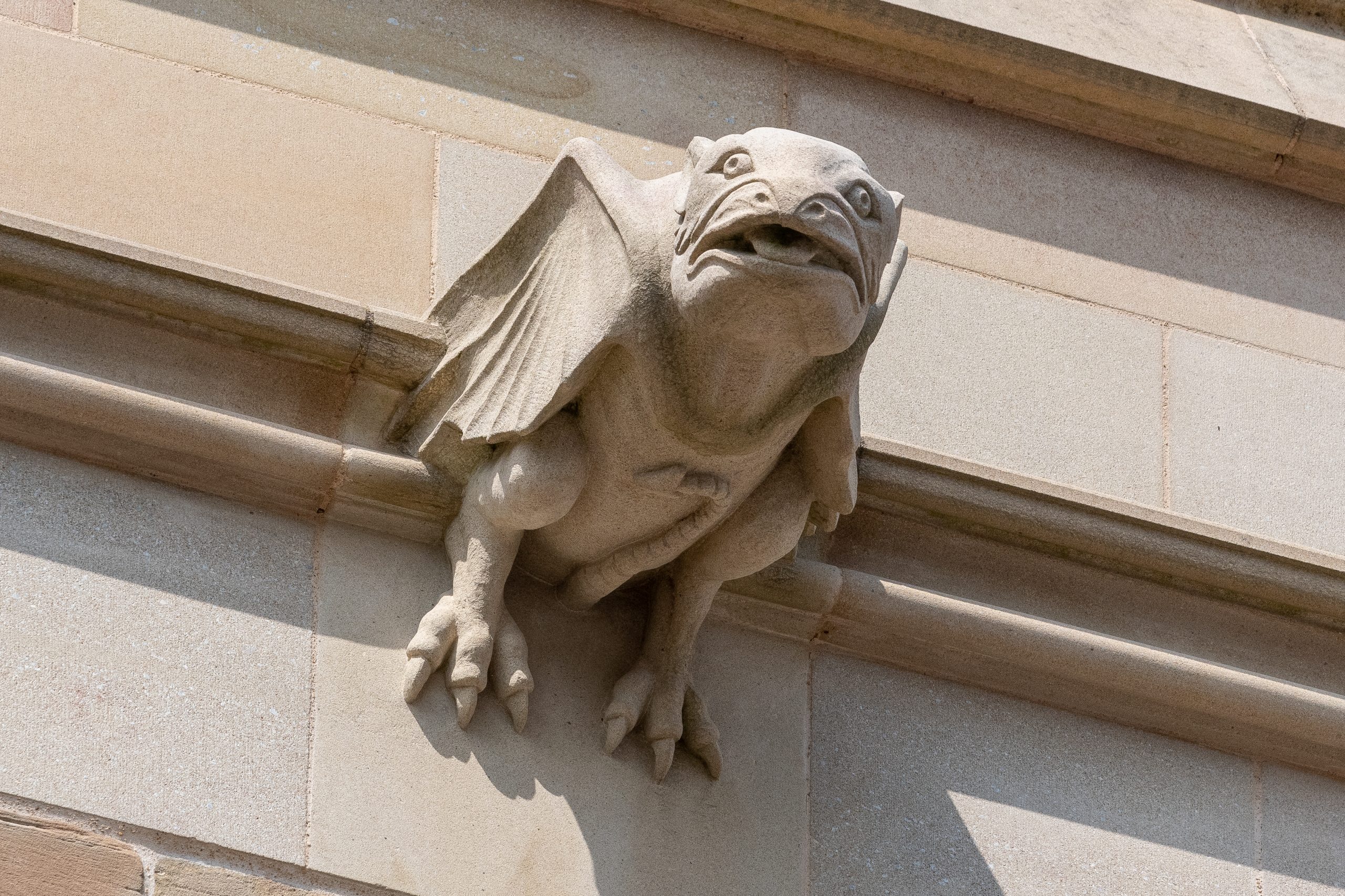
Leicester Cathedral’s South façade features a family of six grotesque creatures with links to Leicester’s history and culture. Grotesques are comical or distorted figures and can feature on buildings.
They are carved out of Peak More stone by Loughborough firm Midland Stone Masonry and sculptor/carver Alan Necchi. A fox and tiger represent the city’s football and rugby club. The Wyvern, a mythical reptilian creature can be seen alongside a Leicester Long wool Sheep. A Peregrine Falcon, tells the story of the Cathedral’s own peregrines that nest on the spire and Richard III is represented by his personal emblem the White Boar.
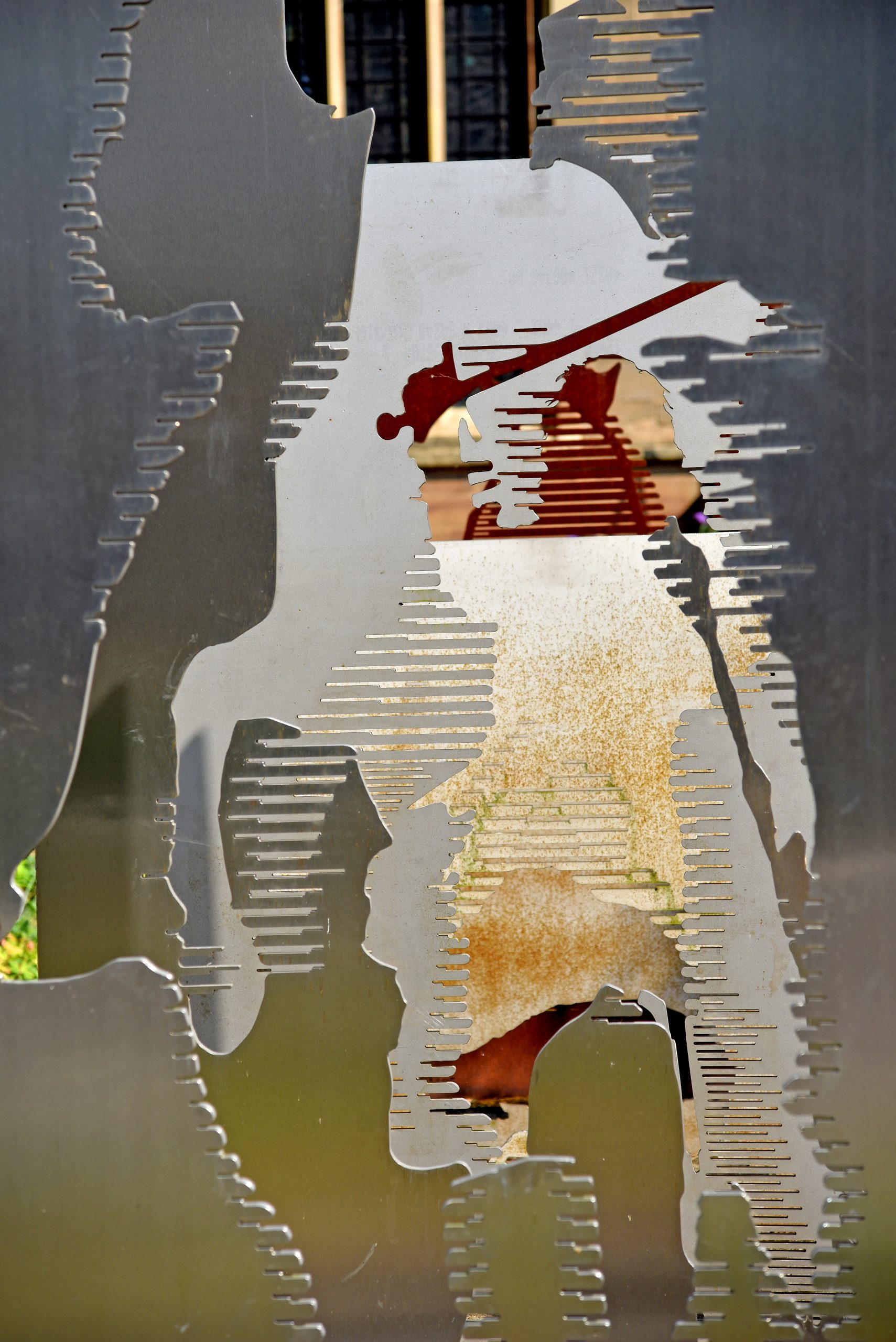
16. Towards stillness
Towards Stillness, designed by Juliet Quintero, was commissioned for the 2014 reinterment of King Richard III.
The sculpture uses 12 steel plates to depict his final days in Leicestershire, aligned towards Bosworth and set among grasses and marsh plants reflecting the battlefield. Quintero consulted with Phil Stone and John Ashdown-Hill for historical accuracy. Plates, read west to east, show the battle sequence, created from water-cut steel silhouettes based on hundreds of photographs of a re-enactor from Les Routiers de Rouen.
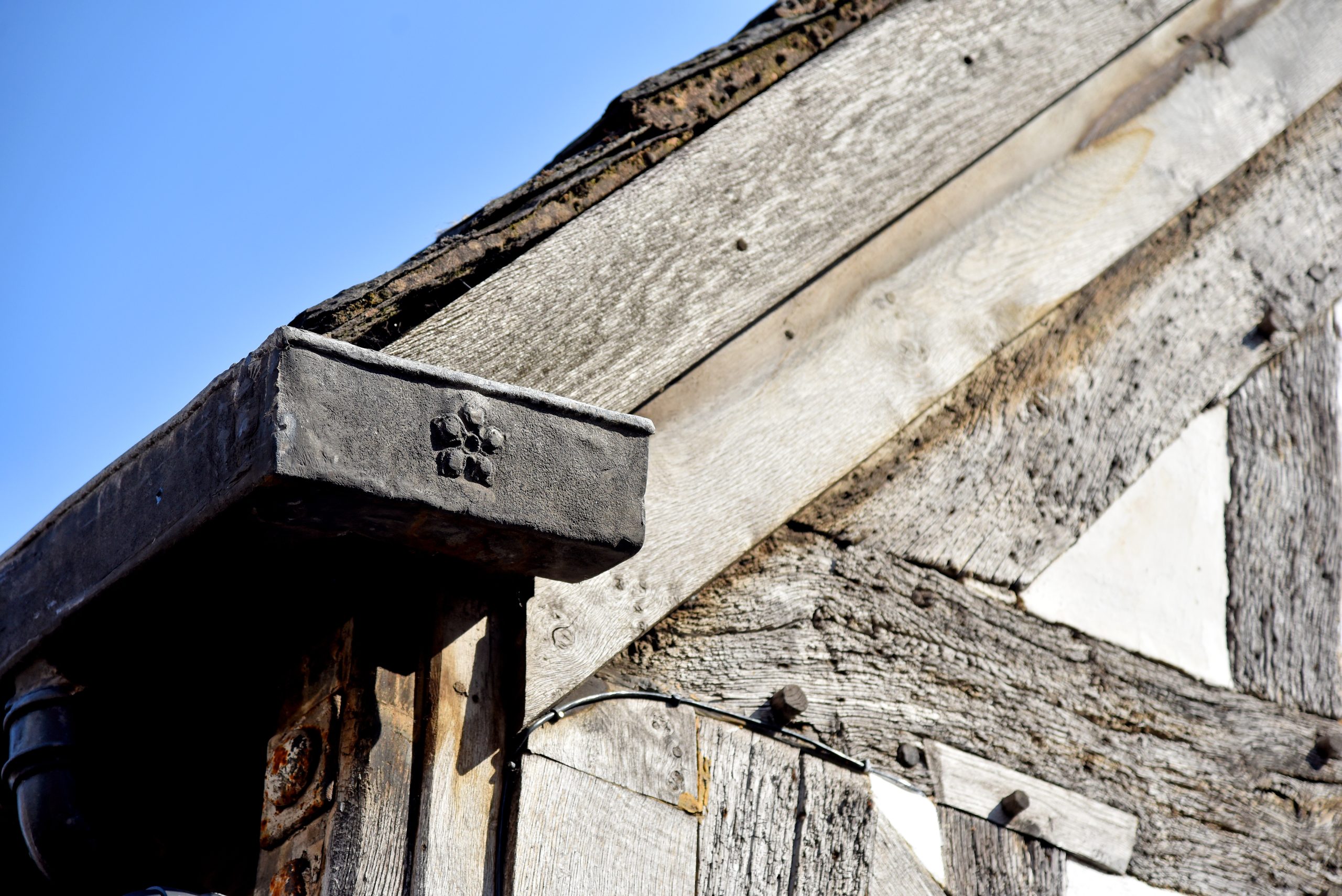
17. Leicester Cinquefoil (The Guildhall Museum)
The cinquefoil is a symbol representing a five petalled flower. It holds significant importance in the story of Leicester and Leicestershire.
Originally from the arms of Robert de Beaumont, the first Earl of Leicester in the Middle Ages. The cinquefoil, also known as a five-leafed flower, is a prominent feature on the city’s coat of arms and is also included in the county’s flag. It has been a recognised symbol of Leicestershire for centuries.
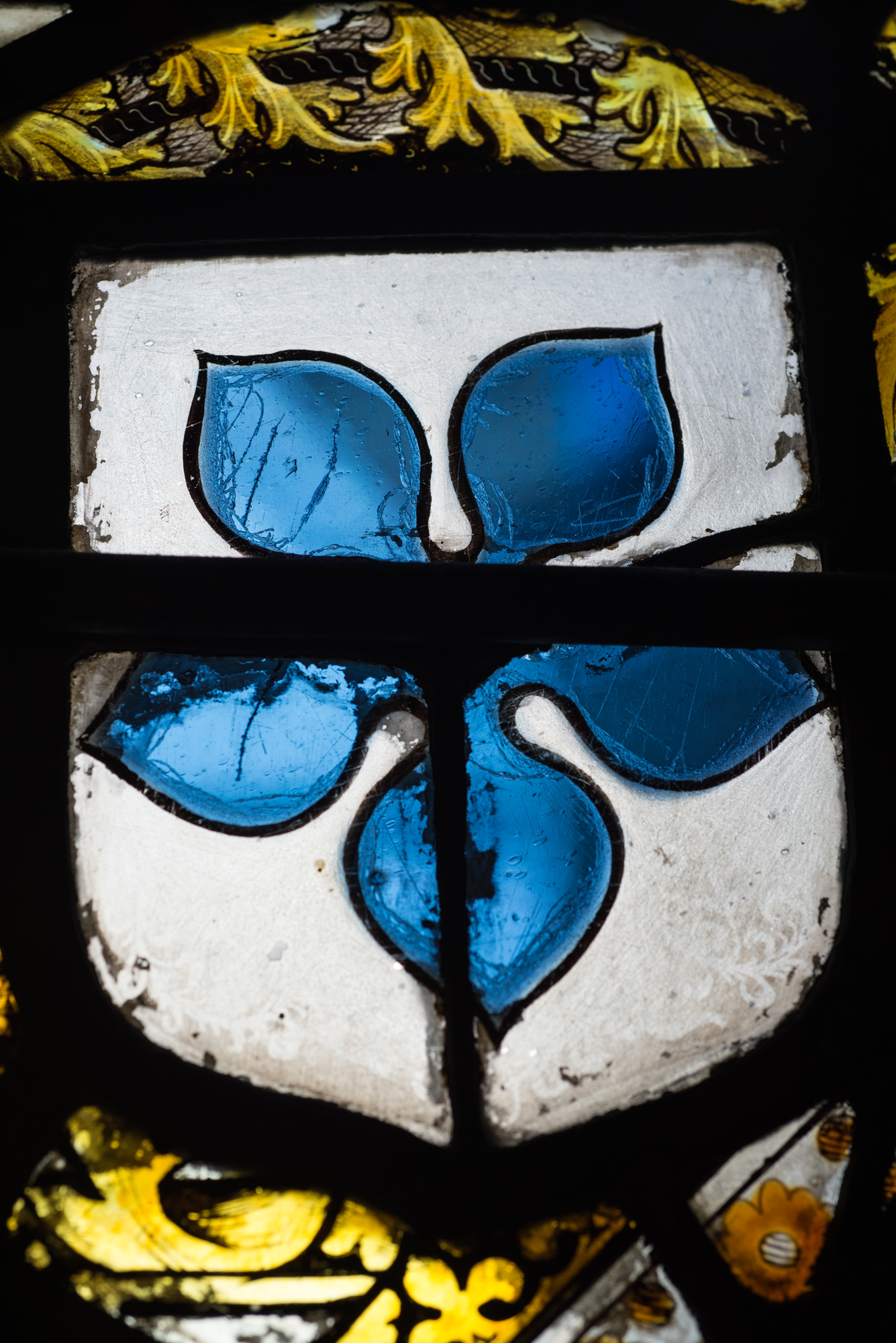
18. Guildhall stained glass
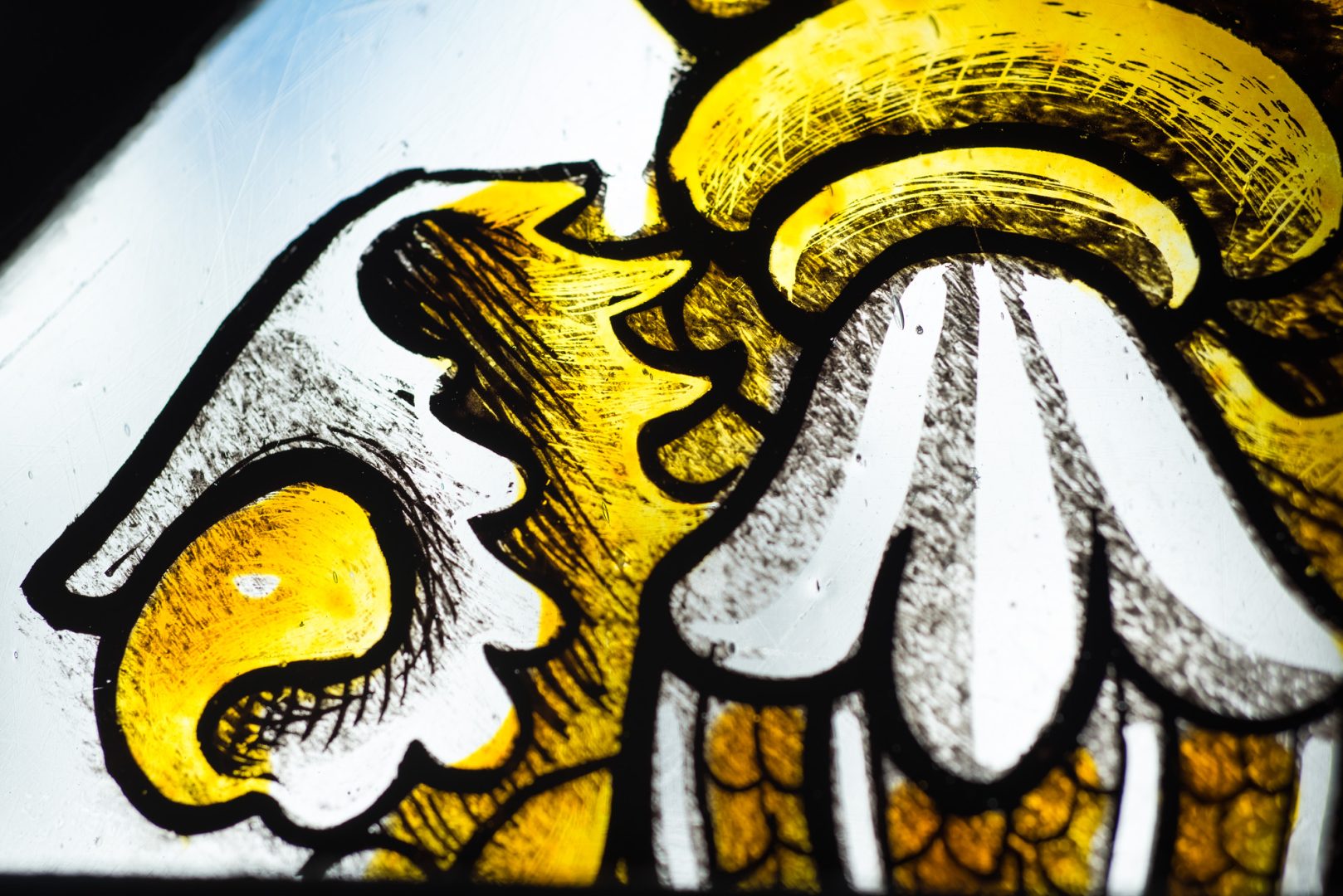
Leicester Guildhall features several stained-glass windows, some dating back to the 15th and 16th centuries.
The Mayor’s Parlour boasts late-medieval stained-glass windows. The Guild’s emblem, the Host and Chalice, is featured in 15thcentury painted glass window fragments within the Mayor’s Parlour. Additionally, graffiti made by glaziers can be found in plain panels within the windows.
Keep exploring
-
Blaby Heritage Trails
Blaby Heritage Trails
-

Charwood Walks
Charwood Walks
-

King Richard III Trail
King Richard III Trail
-
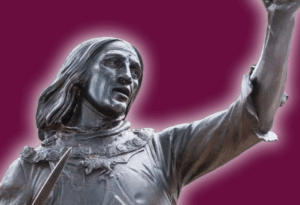
King Richard III Walking Trail
King Richard III Walking Trail
-

Leicester Children’s Activity Trail
Leicester Children’s Activity Trail
-
Leicester Faith Trail
Leicester Faith Trail
-

Leicester Heritage Trail
Leicester Heritage Trail
-
Leicester Riverside Trails
Leicester Riverside Trails
-

Lutterworth Self-Guided Tour
Lutterworth Self-Guided Tour
-
Market Harborough Trails
Market Harborough Trails
-

New Walk Trail
New Walk Trail
-

Old Town Restaurants Trail
Old Town Restaurants Trail
-

Quorn History Trail
Quorn History Trail
-

Roman Leicester Walking Tour
Roman Leicester Walking Tour
-

Staunton Harold Trails
Staunton Harold Trails
-
Street Art Trails
Street Art Trails
-
The King’s End Way Cycle…
The King’s End Way Cycle…
-
The Leicestershire Round
The Leicestershire Round
-

The National Forest Trails
The National Forest Trails
-
The Newarke Trail
The Newarke Trail
-
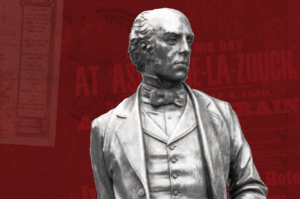
The Thomas Cook Trail
The Thomas Cook Trail
-
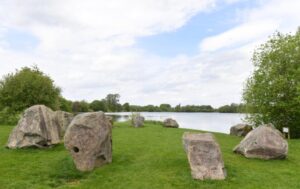
Watermead Country Park
Watermead Country Park